
Sprawdź naszą aplikację:

Reklama
Why Every Gym Goer Over 35 Should Consider Collagen
14/04/2026 09:24
Spis treści
- The Collagen Decline Starts Earlier Than You Think
- Joint Support for Longevity in Training
- Tendon and Ligament Resilience
- Enhanced Recovery and Reduced Muscle Soreness
- Bone Density and Strength
- Practical Considerations for Gym Goers
- It's Not Just About Performance—It's About Longevity
- The Bottom Line
If you're over 35 and still hitting the gym regularly, you're already ahead of the curve. You understand that consistent training is essential for maintaining strength, mobility, and overall health as you age. But there's one supplement that many dedicated gym goers overlook, despite mounting evidence of its benefits: collagen.
While protein powders, creatine, and pre-workouts dominate gym bags, collagen supplementation deserves serious consideration for anyone over 35 who wants to train hard, recover well, and keep their body resilient for years to come.
The Collagen Decline Starts Earlier Than You Think
Your body's natural collagen production peaks in your early twenties and begins declining by about 1% per year after age 25. By the time you hit 35, you've already lost a significant portion of your collagen-producing capacity.
Collagen is the most abundant structural protein in your body, providing the framework for your skin, bones, tendons, ligaments, and cartilage. When production drops, these tissues become less resilient, more prone to injury, and slower to recover from the stress of training.
Reklama
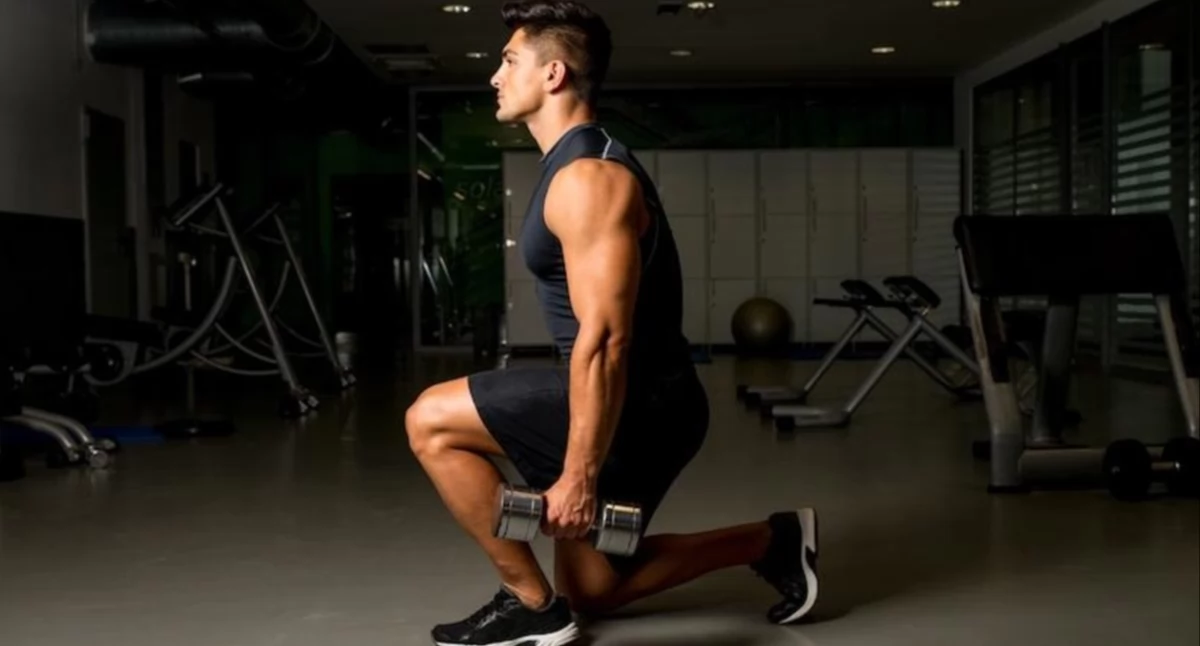
For gym goers over 35, this decline has real consequences: joints that ache after leg day, tendons that feel stiff and tight, longer recovery times between sessions, and an increased risk of overuse injuries that can derail training progress.
Joint Support for Longevity in Training
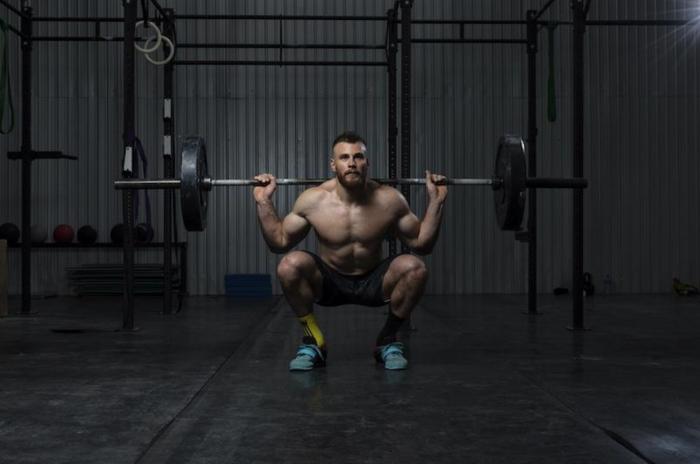
One of the most compelling reasons to supplement with collagen after 35 is joint health. Decades of training, whether lifting weights, running, or playing sports, place cumulative stress on joints. As natural collagen production declines, cartilage thins, and joints become more vulnerable to wear and discomfort.
Reklama
A comprehensive systematic review published in the International Journal of Molecular Sciences examined the effects of collagen supplementation on musculoskeletal health and recovery. The researchers analyzed multiple clinical trials and found that collagen peptide supplementation significantly improved joint pain and function, particularly in active individuals experiencing activity-related joint discomfort (Khatri et al., 2023). The review noted that doses of 5-15 grams daily, taken for 8-24 weeks, produced measurable improvements in joint comfort and mobility.
Many gym goers over 35 report that after several weeks of consistent collagen supplementation, their joints feel more comfortable during and after training. While it's not a cure-all, collagen provides the building blocks your body needs to maintain and repair joint structures stressed by regular exercise.
Reklama
Tendon and Ligament Resilience
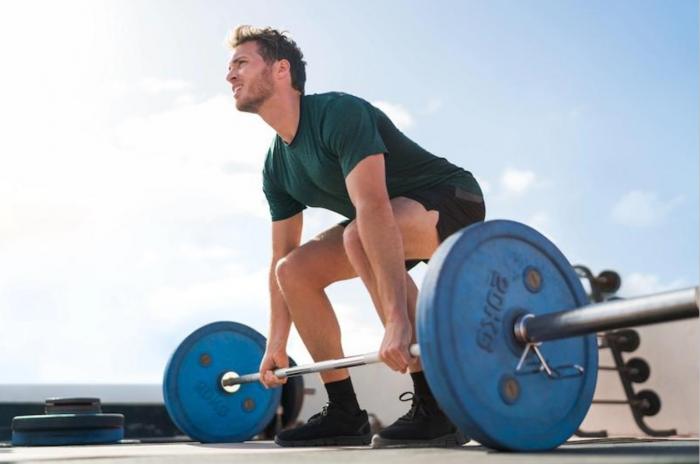
Beyond joints, collagen is crucial for tendon and ligament health, the connective tissues that transfer force from muscle to bone and stabilize joints during movement. These structures take a beating during resistance training, especially with heavy compound lifts.
The same systematic review found that collagen supplementation supported tendon and ligament health, potentially reducing injury risk and supporting recovery from connective tissue stress. The mechanism appears to involve providing the specific amino acids (particularly glycine, proline, and hydroxyproline) that your body uses to synthesize new collagen in these tissues.
Reklama
For gym goers dealing with chronic tendon issues, such as tennis elbow, Achilles tendinopathy, or shoulder impingement, collagen supplementation may offer support alongside proper training modifications and recovery protocols.
Enhanced Recovery and Reduced Muscle Soreness

Recovery becomes more challenging as you age. The workouts that you bounced back from in your twenties now leave you sore for days in your late thirties and beyond. While some muscle soreness is normal, excessive or prolonged soreness can limit training frequency and progress.
Reklama
Research suggests that collagen supplementation may support faster recovery and reduce exercise-induced muscle damage. The systematic review noted that athletes supplementing with collagen experienced reduced markers of muscle damage and improved recovery of muscle function following intense exercise.
The proposed mechanism involves collagen's anti-inflammatory effects and its role in supporting the extracellular matrix, the scaffolding that surrounds muscle fibers and helps them function optimally.
Reklama
Bone Density and Strength
Bone health isn't just a concern for sedentary individuals; it matters for lifelong gym goers too. While resistance training itself supports bone density, combining it with collagen supplementation may offer additional benefits.
Collagen provides the structural framework that minerals like calcium attach to in bones. The research review highlighted studies showing that collagen supplementation, particularly when combined with resistance training, supported improvements in bone mineral density and bone markers in aging populations.
Reklama
For gym goers over 35, maintaining strong bones ensures you can continue lifting heavy, training hard, and staying active without the fracture risks that increase with age.
Practical Considerations for Gym Goers
Dosing: Most research showing benefits for active individuals uses 5-15 grams daily. A practical starting point is 10 grams per day.
Timing: While timing appears less critical than consistency, many gym goers take collagen pre-workout (30-60 minutes before training) to provide amino acids when connective tissues are being stressed. Post-workout also makes sense from a recovery standpoint.
Reklama
Type: Both marine and bovine collagen peptides have shown benefits. Choose hydrolyzed collagen peptides for better absorption.
Vitamin C: Consider taking collagen with a vitamin C source, as vitamin C is essential for your body's natural collagen synthesis.
Patience: Don't expect overnight results. The research shows benefits typically appear after 8-12 weeks of consistent daily supplementation.
It's Not Just About Performance—It's About Longevity
The goal isn't just to train harder now, it's to keep training for decades to come. Collagen supplementation represents an investment in your training longevity, helping you maintain the joint health, connective tissue resilience, and recovery capacity needed to stay active and strong well into your 50s, 60s, and beyond.
Reklama
The Bottom Line
If you're over 35 and serious about training, collagen deserves a place in your supplement routine alongside protein, creatine, and other staples. The research demonstrates real benefits for joint comfort, connective tissue health, recovery, and bone density, all critical factors for gym goers who want to train consistently and stay injury-free.
Your body's natural collagen production isn't coming back, but supplementation can help offset the decline. For the cost of a few euros per day and 30 seconds of your morning routine, collagen offers research-backed support for the tissues that keep you moving, lifting, and thriving in the gym, no matter your age.
Źródło i opracowanie własne
Aktualizacja: 14/04/2026 09:32
Reklama
Komentarze opinie
Podziel się swoją opinią
Twoje zdanie jest ważne jednak nie może ranić innych osób lub grup.
Najnowsze rolki
















Reklama
Wideo jaw.pl
Reklama


Reklama
Reklama
Reklama
Najnowsze wiadomości
- 20/10 Kierowca uderzył w słup sygnalizacji świetlnej na Osiedlu Stałym
- 20/10 X Jaworznicki Dzień dla Biznesu. Przedsiębiorcy rozmawiali o AI i cyberbezpieczeństwie
- 20/10 Zawody strzeleckie w Jaworznie. Rywalizowali seniorzy i uczniowie
- 20/10 PKM Jaworzno - zmiana lokalizacji przystanku od 20 października 2026
- 20/10 Jaworzno szykuje wyższe stawki za odholowanie auta i postój na parkingu strzeżonym
- 20/10 Życzenia dla październikowych solenizantek
- 20/10 Andrzejki w hali MCKiS w Jaworznie
- 20/10 Jaworzno zaciągnie 29 mln zł pożyczki. Planuje spłacać to 7 lat
- 19/10 Gigantyczne korki na wyjeździe z Jaworzna
- 19/10 Nieruchomości Jaworzno: Dom z dwoma niezależnymi mieszkaniami na sprzedaż
- 19/10 Śląskie stawia na zieleń! Ponad 9,6 mln zł na nowe inwestycje w programie Zielona Przestrzeń
- 19/10 Pijani za kierownicą i na rowerach. Tak wyglądał weekend w Jaworznie
- 19/10 Nie żyje Prof. dr hab. Adam Jamróz. Wypełnił swoją misję.
- 19/10 Jaworznicki wydział WSB w Poznaniu zainaugurował rok akademicki 2026/2027
- 19/10 Geonova Park - nowe osiedle w Jaworznie. Poznaj inwestycję, zanim oferta trafi do szerszego grona
- 19/10 Katarzyna Gwóźdź z Jaworzna coraz bliżej finału Polska Miss 30+ 2026
- 19/10 Wspomnienie śp. kapitana Stefana Bębenka
- 19/10 Koleje Śląskie świętują Europejski Dzień Seniora
- 19/10 Ile patroli pilnuje naszych ulic i jak zmienia się miejski monitoring?
- 18/10 Ile kosztuje węgiel w październiku 2026? Ceny u producentów i na składach
Komentarze